Spring and Miracles
___
Spring is a time of miracles. Plants and flowers are coming back to life, and birds are returning to their summer homelands. Newborns in the wild are rustling and chirping, bleating, and squealing all around. Young coyotes cry in the evenings here in the neighborhood, and quiet baby rabbits will try to learn to avoid them. Kids will be hunting Easter eggs and counting their treasures, and it’s just as well that they don’t often bring up that puzzling connection between bunnies and eggs.
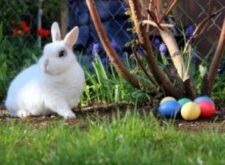 I am reminded of the wonder of the miracle that I am here, and living, and doing what I want to do. How many things had to happen, just so, for all that to come into being? What are the chances of me being me, with all those ancestors each taking their chances? And you too! I live in awe at how unlikely it all is. Miracles at every step.
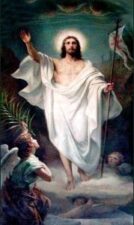
In Bulgaria, where Stormy and I lived for a time, Easter will be the Sunday that follows ours in the west. That’s not unusual; Orthodox Easter usually hits on a different Sunday from our western version, since the two main branches of Christianity follow different calendars. 1 The rule for placement of Easter in both is that it’s the first Sunday after the first full moon after the vernal equinox. (You knew that already, right?) That’s the “ecclesiastical” vernal equinox, though, not the real solar one, so “your results may vary.” The story about what happened, though, and the significance of it to Christians of all kinds, is the same. A miracle.
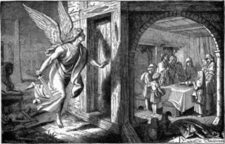
Passover is another holy seasonal observance commemorating a miracle. That one follows yet another ancient calendar, based on the moon instead of our solar-centered calendars. The 8 days of celebration drift from year to year with serene indifference to our everyday calendar. Here we are in the time of Passover now, with Easter this weekend, and next year they will be a month apart. Passover brings fastidious preparation and painstakingly detailed family and community rituals, and keeps alive a rich historical tradition and remembrance of miraculous preservation from death and destruction.
 Miracles abound in our lives, and it’s rare that we pause to recognize and appreciate them. A sense of reverence helps, and some of the rituals of our seasons can get us going in that direction. One of the most moving examples of that, in my memory at least, was the Easter we were together with our Bulgarian family in their hometown. The night was cold and dark, and we were bundled against the chill, walking with arms folded. There were glimmers of winter starlight as we walked with slowly increasing numbers, neighbors joining on the way converging on the church near the town center. Murmured greetings, quiet night.
A memory: “The church was freshly painted and everything in the surrounding garden was trimmed and renewed. A large crowd stood reverently all around the church, many times more than could fit in the church building. At midnight, the priests came out of the church carrying candles. People in the crowd lit their own candles from those, and the lights spread through the crowd until everyone was holding a lighted taper, shielding with hands against movement of the cold night air. The priests sang the Resurrection story from Matthew. At the end of the service it was a striking sight to see people spreading out from the churchyard and out into the dark streets, still carrying candles, bringing the light home. 2
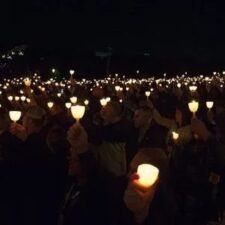 It was a sign of good luck to make it all the way home with your candle still burning. We all did. Krassi had prepared a post-midnight meal of lamb, hardboiled and dyed eggs, and an Easter bread rich with egg and butter. The bread, called kozunak, was baked with little slips of paper in it, bearing words like Luck, Health, Happiness, and Success. Pavlin taught us the proper Easter greeting that everyone used, Hristos voskrese, meaning “Christ is risen.” The response was Voistina voskrese, “Truly risen.” Over the three days of Easter, we heard those words over and over, not just between friends and family but also with co-workers, merchants, and even in grim, gray government offices such as the one that sold train tickets.
I wonder sometimes what we’ve lost in our country. Not just that we don’t maintain the comforting customs made convenient by the dominance of one cultural heritage (when the children were required to stand and recite The Lord’s Prayer in public schools. That was within my lifetime!), but bigger than that: our overall quality of community and caring sometimes seems to be in need of redemption. Civil discourse is a casualty of our escalating political divisions. Will it take miracles to bring us back together?
When I look for miracles I see them. Things we take for granted: food, heat, clean water. We carry little machines in our pockets that connect us with all the world’s knowledge and with each other: machines that our grandparents could only have seen as magic – no, not just magic, miracles! There are people feeding the homeless in shelters and in storefront churches; people giving lifesaving care in hospitals and at disaster sites; people healing wounds and caring for the traumatized. There are medical advances that cure wicked diseases that have plagued us since the dawn of time. There are angels among us who will donate their resources, their time, their blood or ultimately even their organs to heal the lives of others.
Everywhere life is brimming with heroism, wholesome striving for ideals, generosity, love, and caring. There are miracles all around.

Subscribe to get an email notice when our weekly articles are published.