The Vines That Bind
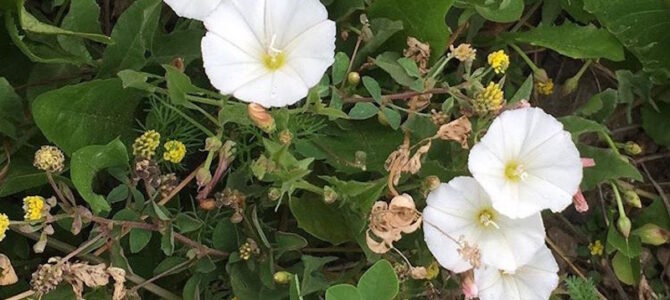
Our neighbor Kristen De Lay, an expert gardener and environmental advocate, is a respected authority on our local ecology. It’s a good time of year to review what she has told us about an invasive plant in our neighborhood – field bindweed. It’s too pretty. Nice little white flowers, and green arrowhead-shaped leaves crawling on the ground and twining their alluring strands around other plants, into fences, and deviously plotting to take over the world. Fighting them seems to be a losing battle.
This is an excerpt from an article she wrote in 2020 about field bindweed, Myrtle spurge, and cheatgrass. This excerpt is just about bindweed. It’s timely and just as true as it was then. Even though bindweed has pretty white flowers and looks nice as a ground cover, it doesn’t belong here. It’s invasive. It’s tempting to let go and enjoy it, and pretend it doesn’t matter. I defer to Kristen’s knowledge and wisdom on these questions. Here’s the expert opinion.
By Kristen De Lay
Invasive species of plants can be trees, vines, perennials and even grasses that are not native to our region. They don’t have natural predators (animals or bugs) that help control them, are resistant to disease and are able to spread at an alarming rate…. field bindweed is considered to be a noxious weed by the Colorado Department of Agriculture.
Why Should I be Concerned?
The primary reason we should be concerned is because these species take up space normally occupied by native plants or they are stronger and take over the plants. This displacement reduces food sources and habitats of our native bugs and animals, essentially adding to their decline.
Field Bindweed
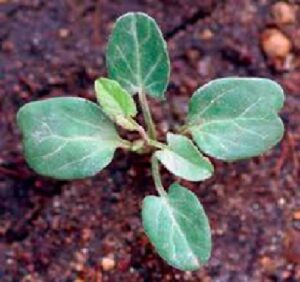
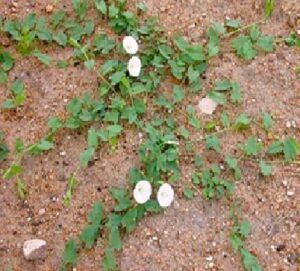 Field bindweed is rampant in our neighborhood and it is really hard to control. Their root systems can grow up to 20 feet deep into our yards and their seeds are viable for 40 years! Here’s a great bindweed resource where I gathered this data from the Colorado Dept. of Agriculture.
Be an Advocate for Removal
Jefferson County Invasive Species Management has some great educational information related to all noxious and invasive species around our area. I highly recommend that you utilize them when you have questions related to weeds. They have a lot of great information and really care about our area. Another great resource is the Colorado Weed Management Association.
 Kristen De Lay is an avid gardener with a special interest in native plants and creating wildlife habitats. She is a member and volunteer for the Colorado Native Plant Society and also participates in our Sustainable Southern Gables group. She and her family have lived in Southern Gables since 2016.

Subscribe to get an email notice when our weekly articles are published.